A Changing World: COVID-19 and Work Life
Hale Derin
Discover how COVID-19 reshaped work life and employee well-being, bringing new opportunities and challenges through remote and flexible work models.
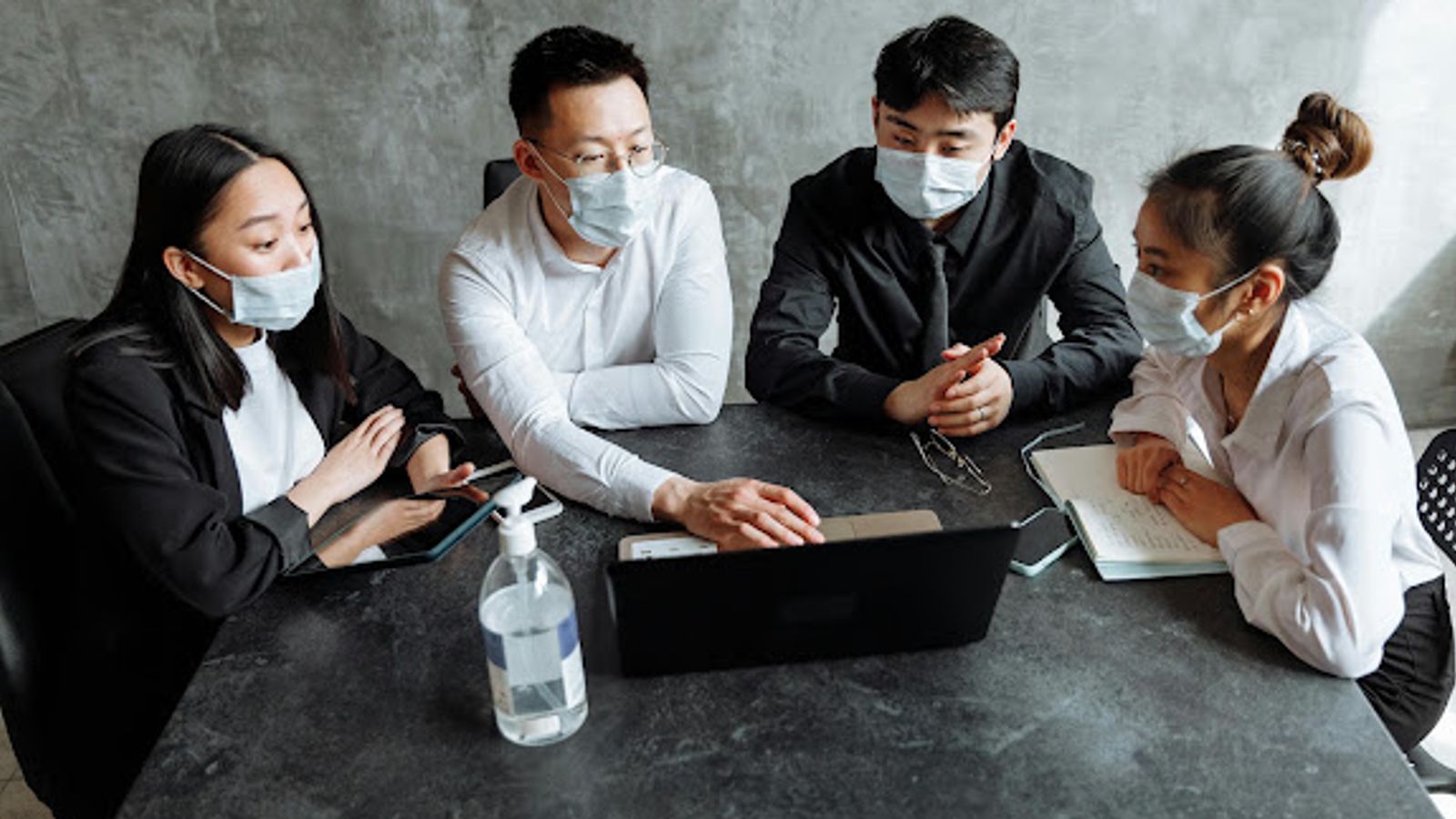
Sweeping across the globe, the COVID-19 pandemic has profoundly affected societies, mental health, economies, and cultures worldwide, including our own. With the virus claiming over 2.61 million lives by March 10, 2021, its disruptive impact on professional life was inevitable. Employee psychology faced multifaceted strains during this period. Widespread employment challenges emerged, and organizations hit hardest by the economic fallout were forced to lay off existing staff.
We are witnessing the long-term ramifications of COVID-19 ever more clearly. The pandemic triggered seismic shifts in the workplace, foremost among them the mandatory pivot to working from home. Since then, many companies have adopted this model permanently. In our fast-evolving world, organizations that adapt to technology survive, while those that fail to adapt struggle to stay afloat. Consequently, SMEs, micro-enterprises, and independent professionals bore the brunt of the pandemic's disruptions. One drawback of the work-from-home setup was the unfair perception—from both employers and social circles—that remote employees 'weren't really working.' Yet, we cannot overlook the immense benefits it brought: reclaiming commute hours for oneself and family, escaping everyday office pressures, and experiencing a noticeable boost in employee productivity are just a few examples.
From an organizational perspective, lower per-employee overhead proved advantageous, yet many businesses faced surging equipment expenses, a perceived loss of direct oversight, and difficulties maintaining cohesive teamwork. Furthermore, layoffs took a psychological toll: witnessing colleagues lose their jobs inevitably heightened anxiety and stress among the remaining staff, undermining both morale and productivity. On the other hand, research has shown that when organizations successfully embrace flexible working arrangements, employee stress levels drop and organizational commitment rises significantly. Higher organizational commitment in turn bolsters motivation, productivity, and job satisfaction, while giving employees personal time and reducing issues such as absenteeism and chronic stress.
Moreover, in this evolving landscape, professionals seeking new job opportunities are clearly gravitating toward employers that offer hybrid or fully remote work options.
In summary, implementing flexible and remote work arrangements holds enduring benefits for both employees and organizations alike.
References
Aydıntan, B, Kördeve, M. (2016). Çalışanların Esnek Çalışma Modeli Çerçevesinde Örgütsel Bağlılık Düzeylerinim Değerlendirilmesi. Gazi İktisat ve İşletme Dergisi, 2 (3), 27-48.
Balcı, Y, Çetin, G. (2020). Covid-19 Pandemi Sürecinin Türkiye’de İstihdama Etkileri ve Kamu Açısından Alınması Gereken Tedbirler. İstanbul Ticaret Üniversitesi Sosyal Bilimler Dergisi, Bahar (Covid19-Özel Ek), 40-58.
Serinikli, N. (2021). Covid 19 Salgın Sürecinde Örgütsel Değişim: Uzaktan/Evden Çalışma Modeli. Fırat Üniversitesi Sosyal Bilimler Dergisi, 31 (1), 277-288.
Tat, R, Gemlik, N. (2020). Pandemi Sürecinde Evden Çalışan Çağrı Merkezi Çalışanlarının Yaşadıkları Sorunlar ve Çözüm Önerileri. Sağlık Akademisyenleri Dergisi, 7 (4), 266-272.
Reklam
Tags
- pandemic
- mental health
- covid-19
- work-life
- psychology
- remote work