Cultural Differences and the Impact of Parenting Styles on Child Self-Development
Hale Derin
How do cultural differences shape parenting styles? Exploring the link between cultural contexts and parenting practices in child development.
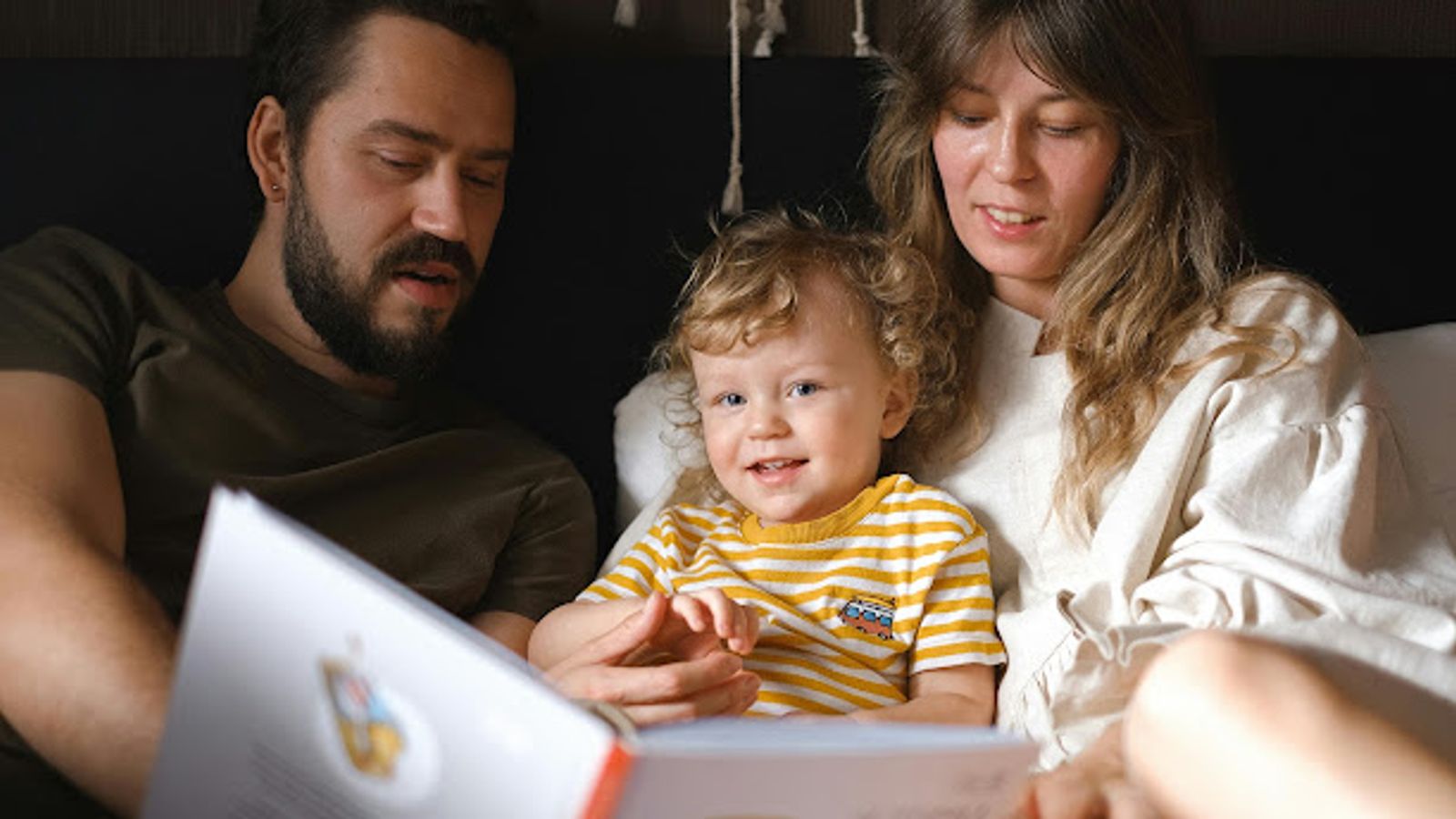
"Parents are a child's first teachers." We've all heard this old saying. Let's take a closer look at this profound truth through a broader lens—specifically, within a cultural context.
Culture, social communication, and social life are deeply interconnected, significantly shaping the family as society's foundational unit. In this light, parenting styles serve as the cornerstone of a child's developing self-concept. A child's identity, along with their understanding of social rules and relationships, takes shape right within the family home. It is here that individuals gain their initial social skills, form a sense of identity, and first discover what relationships mean—often assuming for a long time that all human interactions follow the same pattern. A child's journey to make sense of the world begins at home. For example, a child raised in an overly coercive environment may take this dynamic as the standard benchmark of normal life; it is only when they step into broader social spheres that they begin to compare, evaluate, and define what is healthy or unhealthy, standard or atypical.
A family's sociocultural background plays a pivotal role in child-rearing, influencing not only a child's immediate behavior but also shaping their future trajectory. Furthermore, the relational patterns learned at home become the template for their broader social interactions. In other words, every family instills its own cultural values, and as children build their self-concept, these deeply ingrained influences can stay with them for a lifetime. The impact of parenting practices on child-rearing—and the cultural nuances within this scope—has fascinated social and developmental psychologists for decades. Humans are born into, raised within, and perpetuate culture. Yet, rather than merely passing down traditions, individuals can adapt and evolve their cultural heritage. While the concept of family varies across cultures, family and culture remain inextricably linked, continually evolving together. Even the most contrasting cultures converge on one universal truth: parents consistently want the very best for their children. For this reason, judging cultural practices as simply 'good' or 'bad' is neither helpful nor accurate.
Kağıtçıbaşı highlights that a family's socioeconomic status directly correlates with the value placed on a child; as socioeconomic status rises, expectations for the child's financial utility tend to decrease, whereas lower socioeconomic status often increases these expectations. In Turkish culture, parental warmth and strict control can coexist seamlessly, whereas Western frameworks might view highly permissive parenting as the hallmark of warmth and affection. Similarly, some societies place a strong emphasis on individualism, while others prioritize collectivism. These distinct dynamics shape how a child builds their sense of self, continuously reshaping and transmitting culture across generations.
Self-development begins from the moment a child is born. Alongside cognitive and biological milestones, personality takes root through cultural values, social environment, and family structure. Societal values heavily guide parental attitudes in child-rearing. Every society carries its own enduring set of values passed down through generations, directly influencing community standards, family structures, and parenting styles. Just as the definition of family varies across cultures, it also evolves within them over time. Parenting warmth and love are crucial for raising confident children with healthy self-esteem. While the importance of parental warmth and affection is universally recognized, research clearly shows that individualistic and collectivistic cultures interpret these expressions differently. Consequently, children's perceptions and interpretations naturally vary, shaping their self-development and internal values accordingly.
Parenting extends far beyond simply meeting a child's basic survival needs. When children face major life decisions later on, they often subconsciously draw upon the cultural values modeled within their family.
The family is the first place where a child experiences acceptance. The foundation laid here molds their identity and interpersonal relationships. Moreover, individuals often replicate the parenting styles they experienced in childhood with their own children, allowing these behavioral patterns to persist across generations. In essence, this is precisely how culture sustains itself over time.
Research by scholars such as Kağıtçıbaşı, Rohner & Pettengill, and Grusec offers key insights: children in individualistic societies (e.g., the United States) tend to interpret strict parental control as rejection, whereas children raised in collectivistic cultures often perceive the same behavior as parental warmth, care, and acceptance. In another study conducted in Southern Spain, traditional parents believed that child behavior is largely innate, feeling they had little to no influence over it. Conversely, modern parents emphasized environmental factors as deeply influential in child development. Beyond intercultural variations, intracultural differences—such as gender dynamics—also play a significant role in shaping self-development.
In her studies with Turkish families, Kağıtçıbaşı observed that discipline, warmth, and affection in parenting complement one another. In Turkish and East Asian cultures, discipline is frequently perceived as a form of protection rather than something negative. In contrast, Western cultures often view overprotection and strict parental discipline unfavorably, leading to negative outcomes for the child. In Asian cultures, family unity, harmony, and togetherness take precedence over individualism, with the parent-child bond at the core of these values. Within this framework, behavioral control reflects parental care and devotion.
A 1991 study on Turkish culture revealed that while mothers maintained close relationships with both daughters and sons, fathers exhibited closer ties with their daughters. When examining parental control across U.S. and Turkish contexts, American participants clearly distinguished between psychological and behavioral/strict control, whereas Turkish participants evaluated the presence or absence of control itself rather than categorizing its style. This highlights a clear cultural divergence in how "control" is conceptualized.
It is clear that a child's self-development is deeply intertwined with cultural context. What varies across societies is the meaning attributed to cultural practices. Ultimately, for every child in every culture, the most essential ingredient is growing up surrounded by love.
References
Aksoy, A. B. (2005). Farklı kültürlerde ebeveynlik. Gazi Üniversitesi Kastamonu Eğitim Dergisi, 13(2), 333-338.
Aslan, K. (2002). Değişen Toplumda Aile ve Çocuk Eğitimde Sorunlar. Ege Eğitim Dergisi, (1), 2: 25-33
Dinn, A. A. ve Sunar, D. (2017). Çocuk Yetiştirme Tutumları ve Bağıntılarının Kültür içi ve Kültürlerarası Karşılaştırılması. Türk Psikoloji Dergisi, 32(79), 95–110.
Günalp, A. (2007). Farklı Anne Baba Tutumlarının Okul Öncesi Eğitim Çağındaki Çocukların Özgüven Duygusunun Gelişimine Etkisi. Yayımlanmavış Yüksek Lisans Tezi, Konya: Selçuk Üniversitesi Sosyal Bilimler Enstitüsü, Okul Öncesi Öğretmenliği Bilim Dalı.
Kaya, K. ve Tuna, M. (2010). Popüler Kültürün İlköğretim Çağındaki Çocukların Aile İçi İlişkileri Üzerindeki Etkisi. Süleyman Demirel Üniversitesi, Fen ve Edebiyat Fakültesi Sosyal Bilimler Dergisi, 21: 237-256.
Özyürek, A., Çetin, A., Yıldırım, R., Evirgen, N. ve Ergün, Ş. (2016). Farklı Kültürlerde Aile Çocuk Etkileşimlerinin Öğretmen Bakış Açısına Göre İncelenmesi. Uluslararası Sosyal Araştırmalar Dergisi, 43(9), 1477-1484.
Sümer, N., Gündoğdu Aktürk, E. ve Helvacı, E. (2010). Anne-Baba Tutum ve Davranışlarının Psikolojik Etkileri: Türkiye’de Yapılan Çalışmalara Toplu Bakış. Türk Psikoloji Yazıları, Türk Psikoloji Dergisi, 13 (25), 42-59
Şanlı, D. ve Öztürk, C. (2015). Anne Babaların Çocuk Yetiştirme Tutumları ve Tutumlar Üzerine Kültürün Etkisi. Dokuz Eylül Üniversitesi Hemşirelik Fakültesi Elektronik Dergisi, 8(4), 240-246.
Tezel Şahin, F. ve Cevher, F. N. (2007, 10-15 Eylül). Türk Toplumunda Aile-Çocuk İlişkilerine Genel Bir Bakış. 38. Uluslararası Asya ve Kuzey Afrika Çalışmaları Kongresi’nde sunulan çalışma. Atatürk Kültür, Dil ve Tarih Kurumu, Ankara.
Reklam
Tags
- cultural differences
- parenting
- parents
- psychology
- family dynamics
- child development
- parenting styles
- culture and family
- social norms
- communication
- mental health
Related articles
What Is a Toxic Relationship? Signs of an Unhealthy Relationship
What is a toxic relationship and how do you spot one? Learn the 10 warning signs, their psychological impact, and what makes a relationship healthy.