The Language of Color and Its Psychological Effects: Meanings and Applications
Hale Derin
Ever wondered how colors shape your mood, choices, and perceptions? Discover the psychology of colors and their hidden meanings in our daily lives.
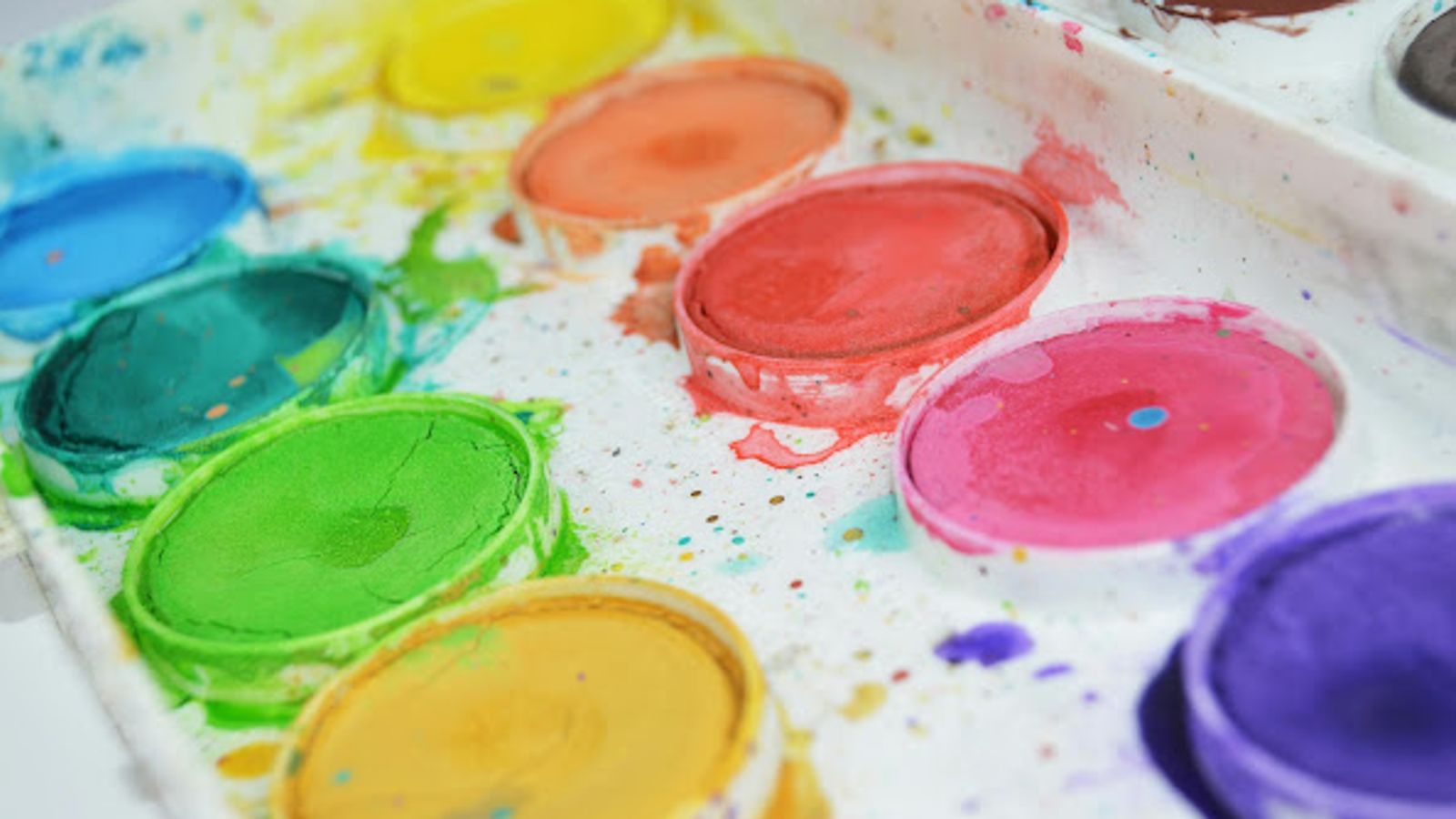
Did you know that colors carry far more meaning than you might think?
Colors are powerful communication tools that surround us in every aspect of life. Our color choices—the shades we love or dislike—reveal subtle clues about who we are and have stories to tell. Colors influence our mood and are frequently used to nudge us into action. The colors we see in advertisements, restaurants, logos, and storefronts are carefully selected to speak to us. We assign deep meanings to colors; they impact our psychology, trigger signals in our brains, and speak to us in a language all their own.
Yes, colors are talking to us! You heard that right.
While the meanings associated with colors can vary across cultures, here we will explore the general psychological meanings they convey. Let's dive in and see what colors are trying to tell us.
BLUE
As a remarkably eye-catching color, blue carries a consistent meaning across different cultures. It generally signifies trust, tranquility, calmness, infinity, sincerity, success, authority, and cleanliness.
In Turkish culture, the traditional evil eye bead (nazar boncuğu) is blue, harnessing the soothing and protective energy of this shade.
In a study conducted by Faber Birren, blue was observed to have a noticeable effect on lowering blood pressure.
In Western countries with high suicide rates, painting bridges blue led to a noticeable preventive effect. Blue is also a staple in the banking sector and corporate logos. Because it symbolizes peace, international organizations like NATO, the EU, and the UN prominently feature blue in their logos. Additionally, blue acts as a natural appetite suppressant, which is why you rarely see it in restaurant decor, though it frequently appears on diet product packaging.
RED
Red is the most attention-grabbing and boldest color. It evokes complex emotions ranging from love, passion, and warmth to anxiety, anger, danger, punishment, and high energy. It accelerates blood flow and increases blood pressure.
Highly dynamic and impossible to miss, red is a favorite choice for restaurants because it stimulates the appetite. Furthermore, because it symbolizes dynamism, adrenaline, and speed, it is widely used by brands targeting younger audiences.
YELLOW
Yellow evokes feelings of warmth, happiness, and energy. It is a friendly color that exudes optimism and approachability.
Due to its high visibility, it is also frequently used for warning signs and hazard alerts.
ORANGE
Orange is a striking, warm color that is often associated with health due to its resemblance to vitamin-rich citrus. It radiates vitality and dynamism. Since orange is a blend of red and yellow, it shares the emotional qualities of both colors.
Additionally, incorporating orange into workplace environments has been shown to boost employee motivation.
GREEN
Green is the color of nature, tranquility, and happiness. It conveys trust, creativity, freshness, calmness, joy, serenity, health, wealth, renewal, and balance.
Brands seeking an eco-friendly image naturally gravitate toward green. It also stimulates creativity, making it a popular choice for innovative office spaces. Food packaging aimed at conveying health benefits prominently features green designs.
WHITE
White embodies purity, coolness, surrender, relief, cleanliness, and stability.
Evoking purity, white is the symbolic color for major life milestones such as birth, marriage, and death. It can also be used to diffuse negative emotions into positive ones—which is precisely why an approaching enemy waves a white flag to signal peaceful intentions.
BLACK
Black represents ambition, power, luxury, passion, seriousness, and self-confidence.
It is widely favored by luxury automotive brands. On the flip side, it evokes grief and mourning, which is why we wear black to funerals. Wearing black to a job interview can project a confident, ambitious, and professional image.
GRAY
Gray symbolizes deliberate composure, maturity, and above all, formality and seriousness.
It is frequently utilized in government institutions and diplomatic relations.
BROWN
Brown represents speed, movement, efficiency, durability, and determination.
It is frequently used in restaurant tables, chairs, and walls—a subtle strategic choice designed to encourage patrons to eat promptly and free up tables. At the same time, it is an unpretentious color that creates an inviting, grounded atmosphere. As the color of the earth, it fosters a sense of security.
On the downside, brown can sometimes evoke feelings of dirtiness or negative perceptions, which might explain why it is rarely cited as a favorite color.
PURPLE
Purple is captivating, unconventional, and unique. It stimulates feelings of self-assurance, prestige, imagination, intellect, mystery, and curiosity. Historically the symbol of royalty, purple can also sometimes connote a neurotic personality trait.
One study demonstrated that incorporating purple into work environments enhanced team spirit, productivity, and loyalty among employees.
PINK
Traditionally perceived as a feminine color, pink evokes feelings of romance, love, passion, and comfort.
It is prominently featured in products targeted toward women. Additionally, introducing pink into workplace settings has been found effective in helping employees feel at ease.
As we can see, colors form a silent language we speak without even realizing it! So why not leverage this language to make our communication truly impactful?
References
Demirdöğmez, M. (2021). Girişimlerin (İşletmelerin) Kullandıkları Renkler ve Pazarlamada Renk Psikolojisi, 92-105
Arkhe Sanat, Renklerin Anlamı.
Reklam
Tags
- language of colors
- color psychology
- psychology
- color meanings
- emotions
- dream meanings
- perception
- mindfulness
- mental health
- aesthetics
- effects of color
- marketing design
- emotional response
- color symbols
- chromotherapy
Related articles

What Is a Toxic Relationship? Signs of an Unhealthy Relationship
What is a toxic relationship and how do you spot one? Learn the 10 warning signs, their psychological impact, and what makes a relationship healthy.

What Is Emotional Neglect? Childhood Emotional Neglect and Its Lasting Effects in Adulthood
Discover what childhood emotional neglect is, how unseen emotional needs shape adulthood, and how to heal from invisible emotional wounds.
What Is Masked Depression? The Silent Struggle Behind the Happy Smile
Are you feeling increasingly isolated and struggling to adapt in today's fast-changing world? You're not alone. Welcome to understanding masked depression.