
Post-Traumatic Growth: Is Psychological Growth Possible After Trauma?
Hale Derin
What is post-traumatic growth? Can we emerge stronger, find meaning, and build resilience after facing life's toughest experiences?
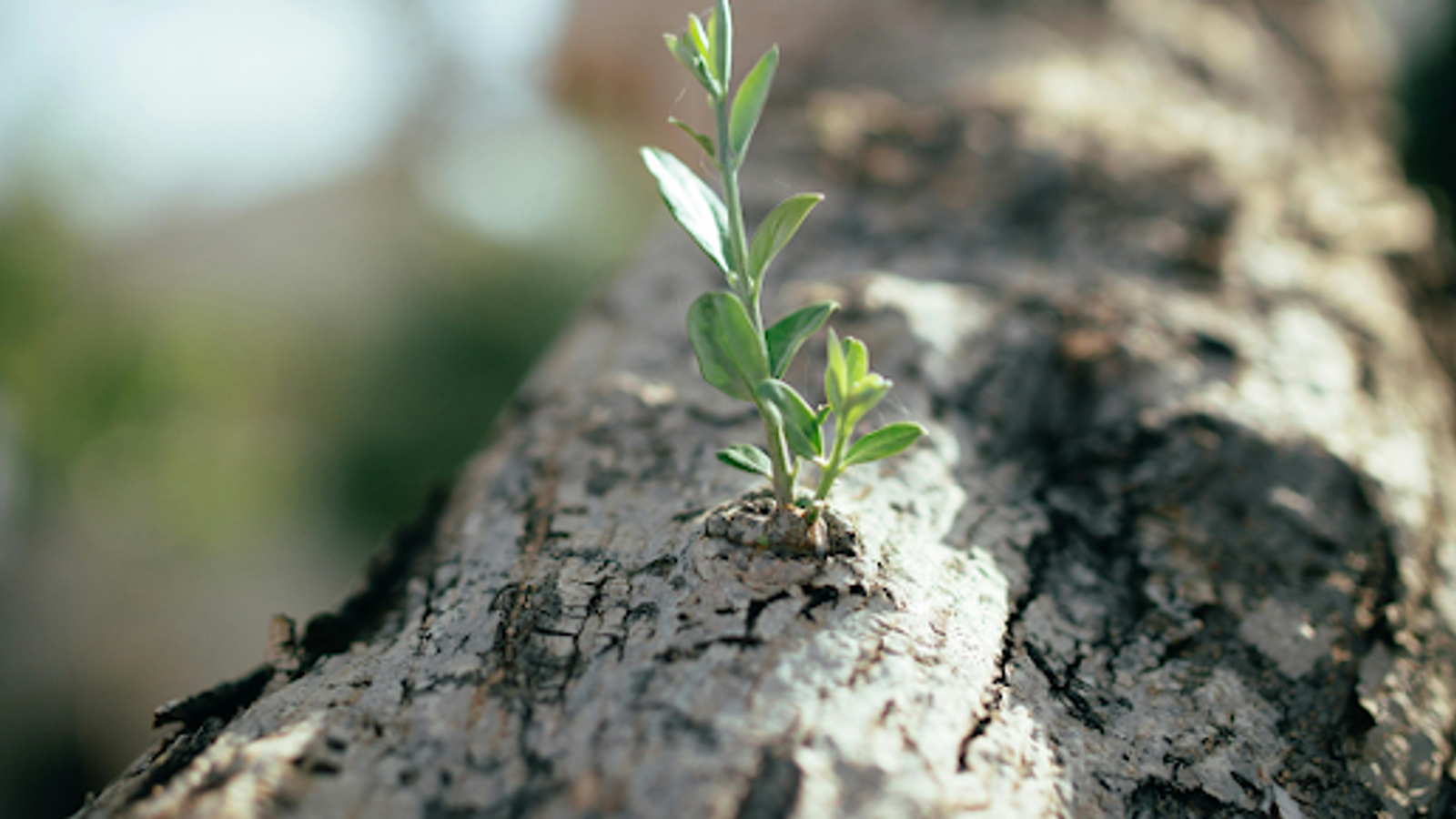
"Was mich nicht umbringt, macht mich mecht stærker." — "What doesn't kill me makes me stronger."
This well-known quote by Friedrich Nietzsche captures the essence of what is referred to in psychological literature as post-traumatic growth in its simplest form. We will explore post-traumatic growth in detail, but first, let me briefly define what trauma is and how it manifests.
Trauma can be defined as an overwhelming, distressing, and challenging life event—or series of events—that shatters an individual's equilibrium, threatening their emotional, mental, and physical integrity in ways that leave lasting scars. The reactions to such devastating experiences vary depending on psychological resilience. Yet, at times, these harrowing circumstances can leave a person fundamentally stronger than before. The most widely accepted term to describe the positive psychological changes arising from the cognitive and emotional struggle with adversity is Post-Traumatic Growth.
Our traumas can indeed empower us, giving rise to individuals who are more grounded and resilient. Post-Traumatic Growth (PTG) refers to personal growth that goes far beyond mere resistance or self-preservation in the face of extreme stress; it represents a profound transformation. In other words, after experiencing a shattering event, an individual doesn't simply return to their baseline—they reach a higher level of self-awareness, purpose, and perspective than they had before. It is best summarized not as "I survived this trauma," but rather "This trauma transformed me." However, this shift does not occur for everyone. Individual personality traits play a crucial role here: extraversion, openness to experience, agreeableness, and conscientiousness have been shown to correlate positively with post-traumatic growth, whereas coping mechanisms marked by denial, suppression, and emotional repression have a negative impact. Furthermore, a person's willingness to speak openly about memories associated with the trauma significantly fosters growth. We must keep in mind that these experiences are deeply personal and unique. Human nature is inherently complex; assuming that because a process yields positive results for one person, it must or will work the same way for everyone is a flawed view. Nevertheless, observing these positive patterns across a meaningful population offers valuable insight into human cognitive resilience.
To summarize the PTG process briefly:
1. A traumatic event occurs and shatters the person's worldview (e.g., the belief that "the world is safe" is broken).
2. Deep, unsettling existential questions arise: "Who am I?", "What is the meaning of life?", "Where do I go from here?"
3. The mind works to construct new meaning; the journey of making sense of pain begins.
4. The individual constructs a new identity and philosophy of life—they no longer think as they used to; they become more present, profound, and connected.
Let's examine Post-Traumatic Growth across 5 core dimensions:
1- Personal Strength:The individual feels stronger and recognizes their capacity to endure, telling themselves, "Now I know what I can overcome," or as the popular saying goes, "If I survived that, I can handle anything." They feel more empowered, steadfast, and resilient.
2- New Possibilities and Purpose in Life:Trauma leads a person to re-evaluate their existing life, opening the door to pursuing and building a more meaningful life. Instead of putting off their dreams, they take active steps toward them. "Sometimes destruction is the first step toward rebirth."
3- Deepening of Relationships:The person experiences increased empathy, forming deeper and more genuine connections with others. They move away from superficial relationships, realizing "Now I know who my true friends are."
4- Spiritual and Philosophical Growth:A shift or strengthening in their belief system often occurs. They reflect more deeply on existence and the broader meaning of life.
5- Greater Appreciation for Life:The person's awareness of life heightened; they begin to notice small details they once overlooked. For instance, they might pause to appreciate the beauty of a small wildflower blooming by the sidewalk that they used to walk past every day without notice.
The process of PTG is most meaningful when properly supported. Let's look at how this happens.
Factors That Foster Post-Traumatic Growth:
- Sometimes consciously and sometimes instinctively, a person can foster post-traumatic growth. How do they achieve this?
- By shifting their mindset from "Why did this happen to me?" to "What did this teach me about life?"
- Through the strength and encouragement of their social support system,
- In safe spaces where trauma is no longer taboo and open discussion is welcomed,
- Through targeted therapeutic interventions (particularly meaning-centered therapy, logotherapy, EMDR, etc.).
Remember, broken bones often heal stronger at the break!
References
Duman, N. (2019). Afro-Avrasya ülkelerinde dijital dönüşüm süreci. Uluslararası Afro-Avrasya Araştırmaları Dergisi, 4(7), 45–60.
Reklam
Tags
- trauma
- PTSD
- post-traumatic growth
- psychology
- emotional healing
- mental health
- trauma symptoms
- coping mechanisms
- resilience
- therapy
- mindfulness
- recovery
- hope
- empowerment
Related articles

What Is a Toxic Relationship? Signs of an Unhealthy Relationship
What is a toxic relationship and how do you spot one? Learn the 10 warning signs, their psychological impact, and what makes a relationship healthy.

What Is Emotional Neglect? Childhood Emotional Neglect and Its Lasting Effects in Adulthood
Discover what childhood emotional neglect is, how unseen emotional needs shape adulthood, and how to heal from invisible emotional wounds.

What Is Masked Depression? The Silent Struggle Behind the Happy Smile
Are you feeling increasingly isolated and struggling to adapt in today's fast-changing world? You're not alone. Welcome to understanding masked depression.